Bloom Bloom: A Modern Color Font for Vibrant Designs
Capturing attention in a crowded digital landscape requires more than just good ideas; it demands visually striking elements that communicate instantly. Bloom Bloom is a contemporary color font designed to inject immediate energy and personality into your creative projects. As a graphic design asset, it moves beyond traditional typography by offering full-color glyphs directly within the font file, streamlining your design workflow and elevating the final visual impact.
Understanding the Bloom Bloom Color Font
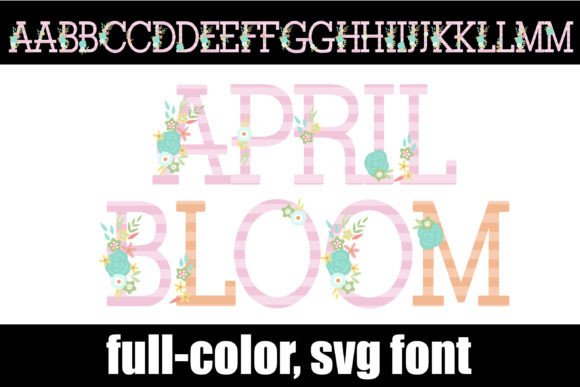
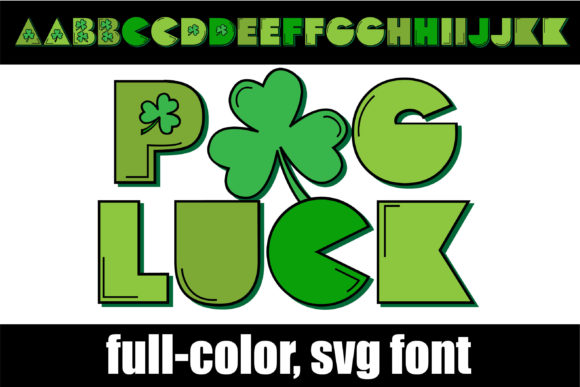
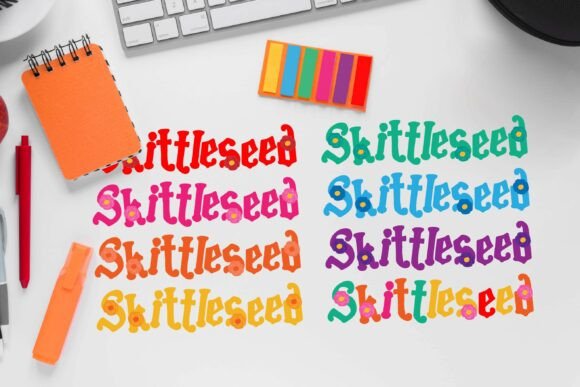
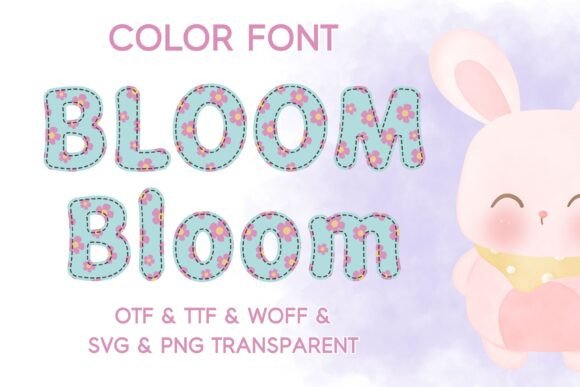
Bloom Bloom is an OpenType-SVG font, a technology that embeds vector graphics and color data directly into each letterform. This means each character can display gradients, textures, and multiple colors, moving far beyond the limitations of single-color typefaces. The package includes OTF, TTF, and WOFF color font variations, ensuring compatibility across major design software like Adobe Photoshop and Illustrator. For projects requiring raster assets, high-resolution 300ppi transparent PNG and SVG files are also included, providing exceptional flexibility for both digital and print applications.
Key Features and Practical Value
- Visual Impact: Instantly creates a modern, playful, and dynamic aesthetic that enhances visual hierarchy and grabs viewer attention.
- Design Efficiency: Eliminates the need to manually add colors, effects, or textures to individual letters, saving significant time in your design process.
- Format Flexibility: With OTF, TTF, WOFF, SVG, and PNG files, you have the right asset for web design, UI elements, social media graphics, and high-quality print design.
Practical Applications Across Creative Projects
The versatility of a color font like Bloom Bloom makes it a valuable addition to a designer's toolkit. Its inherent style lends itself to a wide range of applications where a bold, contemporary statement is needed.
Strengthening Brand Identity and Marketing
For brands targeting a youthful, energetic, or creative audience, Bloom Bloom can become a cornerstone of brand identity. Use it for logo design elements, taglines, or distinctive headers in marketing materials. Its vibrant nature ensures key messages in social media graphics, email headers, and digital advertising campaigns stand out, improving engagement and recall. In packaging design, it can make product names pop on shelves, communicating fun and modernity at a glance.
Enhancing Digital and Editorial Design
In web design and UI design, Bloom Bloom can be used strategically for hero section headings, call-to-action buttons, or feature highlights, guiding the user's eye and improving the overall user experience. For editorial design, it brings energy to magazine layouts, blog post graphics, and digital book covers. It is equally effective for creating compelling presentations, merchandise designs, and unique digital products like printable art or social media templates.
Tips for Effective Use of Creative Typography Assets
While a striking font like Bloom Bloom offers tremendous creative potential, its effectiveness depends on thoughtful application. Consider these design principles to maximize its value.
- Maintain Readability: Reserve its use for headlines, titles, or short callouts where its decorative nature enhances rather than hinders comprehension. Avoid using it for long body text.
- Ensure Compatibility: Always verify that your design software supports OpenType-SVG fonts before purchasing. For Cricut and similar cutting machines, utilize the provided transparent PNG files.
- Balance with Simplicity: Pair Bloom Bloom with clean, neutral sans-serif or serif fonts for body text. This creates a strong visual hierarchy and prevents the design from becoming overwhelming.
- Align with Audience and Goals: Ensure the playful, modern aesthetic of the font aligns with your project's message and your target audience's expectations for a cohesive brand experience.
Selecting the right creative assets is a fundamental aspect of professional design. A well-chosen element like Bloom Bloom does more than decorate; it communicates mood, reinforces brand personality, and solves specific visual communication challenges. By integrating such assets thoughtfully, designers and creators can produce work that is not only aesthetically pleasing but also strategically effective, ensuring their projects resonate with clarity and style.