Fifties Rainbow: A Vibrant SVG Font for Modern Design
Imagine a typeface that doesn't just convey words but radiates pure, joyful energy, instantly lifting the mood of any project. The Fifties Rainbow font does exactly that, transforming standard text into a vibrant visual statement that captures attention and communicates personality.
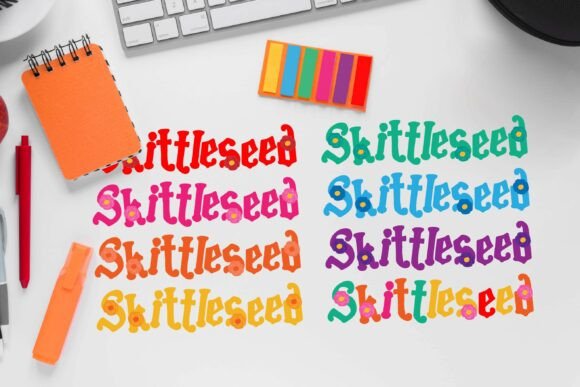
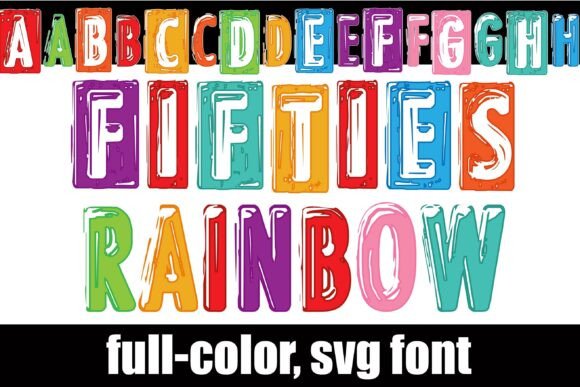
This full-color, OpenType SVG font features a stunning rainbow of colors applied to textured, three-dimensional letterforms. What sets it apart is the creative flexibility it offers. Beyond its primary color palette, an alternate case provides additional color variations for each glyph, accessible through your system's character map or design software's glyph panel, like in Silhouette Studio. This feature allows designers to mix and match hues for truly unique typographic compositions.
Understanding Color SVG Font Technology
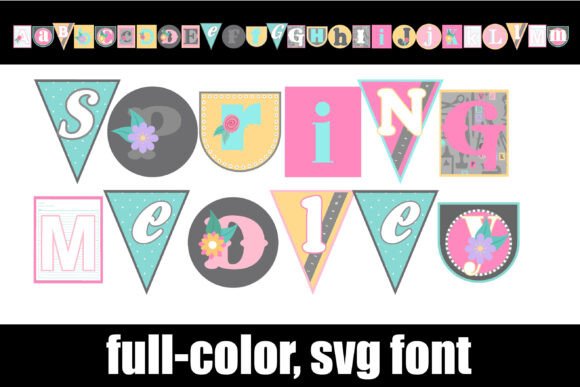
Color fonts like Fifties Rainbow are installed just like any standard .OTF file, typically via FontBook on a Mac or through your preferred font manager on Windows. It's important to note a key technical detail: in programs that do not support color fonts, the type will render in solid black. Even in compatible applications, the font may appear black in the preview window. You'll know your software supports it when you type and see the full-color effect on your document canvas. Major creative platforms such as Adobe Creative Suite, Silhouette Studio, Quark, and Inkscape currently support full-color SVG fonts, making them a versatile asset for professional workflows.
Practical Applications in Graphic Design
The visual impact of a font like Fifties Rainbow makes it a powerful tool across numerous design disciplines. Its retro-modern aesthetic and bold coloration can strengthen brand identity, enhance user engagement, and add a distinctive flair to creative projects.
- Branding & Logo Design: Use it for playful, energetic brand marks or product names that need to stand out. It's ideal for businesses targeting a youthful, creative, or fun-loving audience.
- Marketing & Social Media Graphics: Create eye-catching headlines for posters, flyers, Instagram stories, and digital ads that stop the scroll. Its vibrant nature naturally boosts visual hierarchy and engagement.
- Web & UI Design: Apply it to hero sections, call-to-action buttons, or promotional banners to inject personality and guide user attention. Ensure it's used for impactful display text rather than body copy for optimal readability.
- Editorial & Packaging Design: Elevate magazine spreads, book covers, or product packaging with a touch of nostalgic charm and modern color. It can turn a simple label into a collector's item.
- Presentations & Merchandise: Make slide decks memorable or design standout merchandise like t-shirts, stickers, and posters that fans will love.
Tips for Effective Implementation
To maximize the impact of a color font, consider these practical design principles:
- Prioritize Contrast and Readability: Pair the vibrant Fifties Rainbow with a clean, neutral sans-serif or serif font for body text. This maintains a clear visual hierarchy and ensures your message remains legible.
- Align with Brand Aesthetics: Evaluate if its energetic, retro-inspired style complements your existing brand identity and color palette. It should enhance, not clash with, your overall design system.
- Leverage Scalability: As a vector-based SVG font, it can be scaled to any size without losing quality, making it perfect for both small icons and large-format print.
- Test Across Platforms: Always preview your designs in the target environment—whether it's a website, a printed brochure, or a social media app—to ensure the color effect renders as intended.
In the realm of modern graphic design, typography is a fundamental pillar of visual communication. Choosing a dynamic asset like the Fifties Rainbow font allows designers to make bold, confident statements that resonate emotionally. By thoughtfully integrating such creative resources, you can elevate the aesthetics of your work, strengthen brand storytelling, and create more engaging user experiences. Quality design assets are not just decorative; they are strategic tools that enhance clarity, impact, and professional presentation in an increasingly visual world.